
Sound Mind Day #17: The Steward of the Temple (Sleep, Rest, & Neurobiology)

“It is vain for you to rise up early, to sit up late, to eat the bread of sorrows; for so He gives His beloved sleep.” — Psalm 127:2 (NKJV)
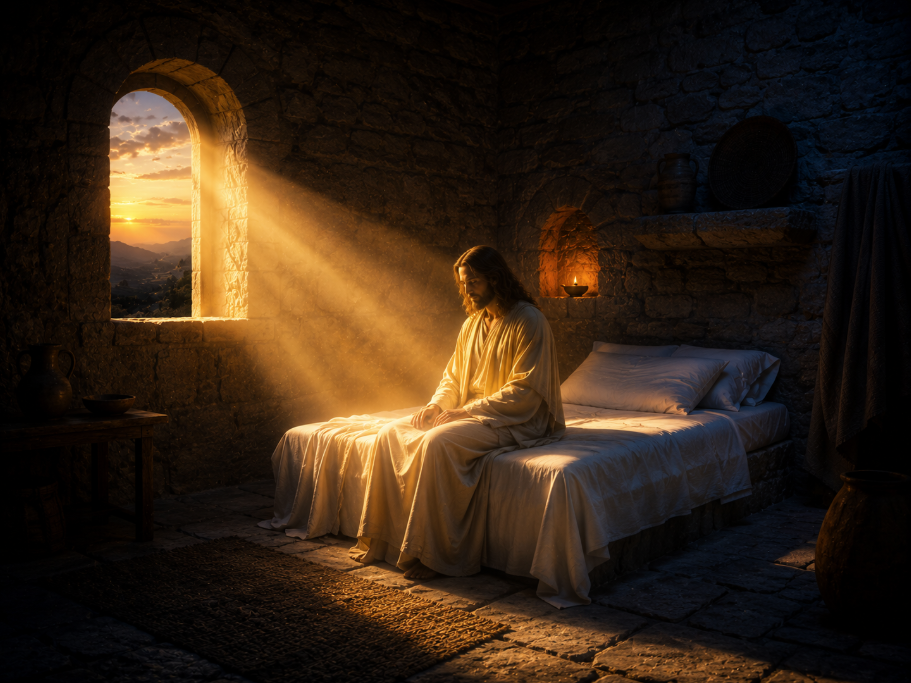
THE JOURNEY
The backdrop of this wisdom psalm is an atmosphere of frantic human striving, civic anxiety, and economic survival. Solomon was writing a song of ascents for pilgrims traveling up to Jerusalem—a community constantly tempted to believe that the safety, expansion, and prosperity of their homes and cities depended entirely on their own non-stop labor. Builders worked themselves to exhaustion; watchmen paced the stone ramparts all night without relief; workers woke before dawn and collapsed late into the night, consuming what Solomon called the “bread of sorrows” (lechem ha-aṣabim—food earned through painful toil, anxiety, and sleepless stress).
Right into this culture of anxious hustle, Solomon delivered a liberating theological correction: frantic self-reliance is pure vanity, “for so He gives His beloved sleep.” In the original Hebrew text, sleep (shena) is presented not as a waste of productive hours or a concession to human weakness, but as a sovereign, covenant gift (mattanah) from God to His beloved (yedid). Solomon revealed that the universe does not stop turning when human beings close their eyes. Relinquishing control at night is an act of trust: it acknowledges that God is the true builder and the tireless watchman who governs reality while His people rest.
Heart of the Matter
The late-night watchtower and the early morning grind represent the modern struggle with chronic insomnia, frantic overwork, and the refusal to honor the biological limits of the brain. It is the racing mind that stares at the ceiling at 2:00 AM running catastrophic budget calculations, the compulsive habit of checking late-night work emails, or the guilt-driven belief that resting makes you unproductive or lazy. When you treat sleep deprivation as a badge of honor, you starve your brain of the physiological maintenance God designed it to receive.
Modern neurobiology affirms what Scripture has always taught: during deep sleep, the brain’s glymphatic system clears out metabolic toxins, consolidates memory, and resets the neurotransmitters responsible for emotional regulation and cognitive clarity. Chronic sleep loss compromises the prefrontal cortex and sends the amygdala into overdrive, heightening anxiety, depression, and paranoia. Honoring your biological need for sleep, practicing sound digital hygiene, and utilizing medical stewardship when neurochemistry is imbalanced are not signs of weak faith—they are acts of worship. Taking care of your brain is honoring the temple of the Holy Spirit. You do not have to consume the bread of anxious toil. Look at the signature track record: the God who neither slumbers nor sleeps invites you to rest peacefully in His sovereign care.
Faith in Action
The identity of the believer is applied when we stop defining ourselves by our mental fatigue and begin anchoring our thoughts to God’s promises.
The Challenge: Explicitly identify the habits of late-night screen time, anxious striving, or neglected physical care that have been disrupting your rest this week, and establish a dedicated routine of sleep stewardship and surrender tonight.
- Enforce a Digital and Mental Sunset: At least one hour before bed tonight, turn off stimulating screens, mute notifications, and declare an end to the workday: “The work is done. God is running the world tonight, and I am stepping down to rest.”
- Cast the Nighttime Ledger: If racing thoughts or tomorrow’s to-do list try to hijack your rest, write them down on a notepad, hand them over to God in prayer, and refuse to debate them in the dark.
- The Temple Stewardship and Rest Prayer: Find a quiet space near your bed, sit comfortably, take a deep, measured breath, and pray: “Sovereign Father and Keeper of Israel, You are the God who governs the stars and gives sweet sleep to Your beloved. I confess that I have lived in anxious striving, staying up late, rising early in panic, and neglecting the physical temple You entrusted to my care. Forgive me for confusing hyper-vigilance with faithfulness. Tonight, I lay down the heavy burden of trying to manage what only You can hold. Calm my nervous system, balance my brain chemistry, wash away my nocturnal anxieties, and grant me deep, restorative sleep. Let my restful surrender be a permanent monument to my trust in Your sovereignty. Amen.”
Prayer for the Day
Sovereign Lord and Tireless Watchman, You are the God who watches over our going out and our coming in, sustaining the universe without ever growing weary, and Your unfailing presence is my permanent peace. I confess that I easily carry the anxiety of my daily responsibilities into the night, allowing worry to rob my brain and body of the rest they need. Wash away my need to control every outcome and my fear of stopping today. Give me the profound, quiet composure to honor the biological limits You created, trusting that You work on my behalf even while I sleep. I rest securely in Your unyielding Word, confident that because I am Your beloved, You grant me peaceful rest. Amen.
SIGNATURE DECREE
“…for so He gives His beloved sleep.” — Psalm 127:2 (Our Memorial Translation: “The frantic pressure of anxious striving and the torment of sleepless worry hold zero authority over your nervous system; you are the Father’s beloved, and He grants your mind and body deep, restorative rest.”)